
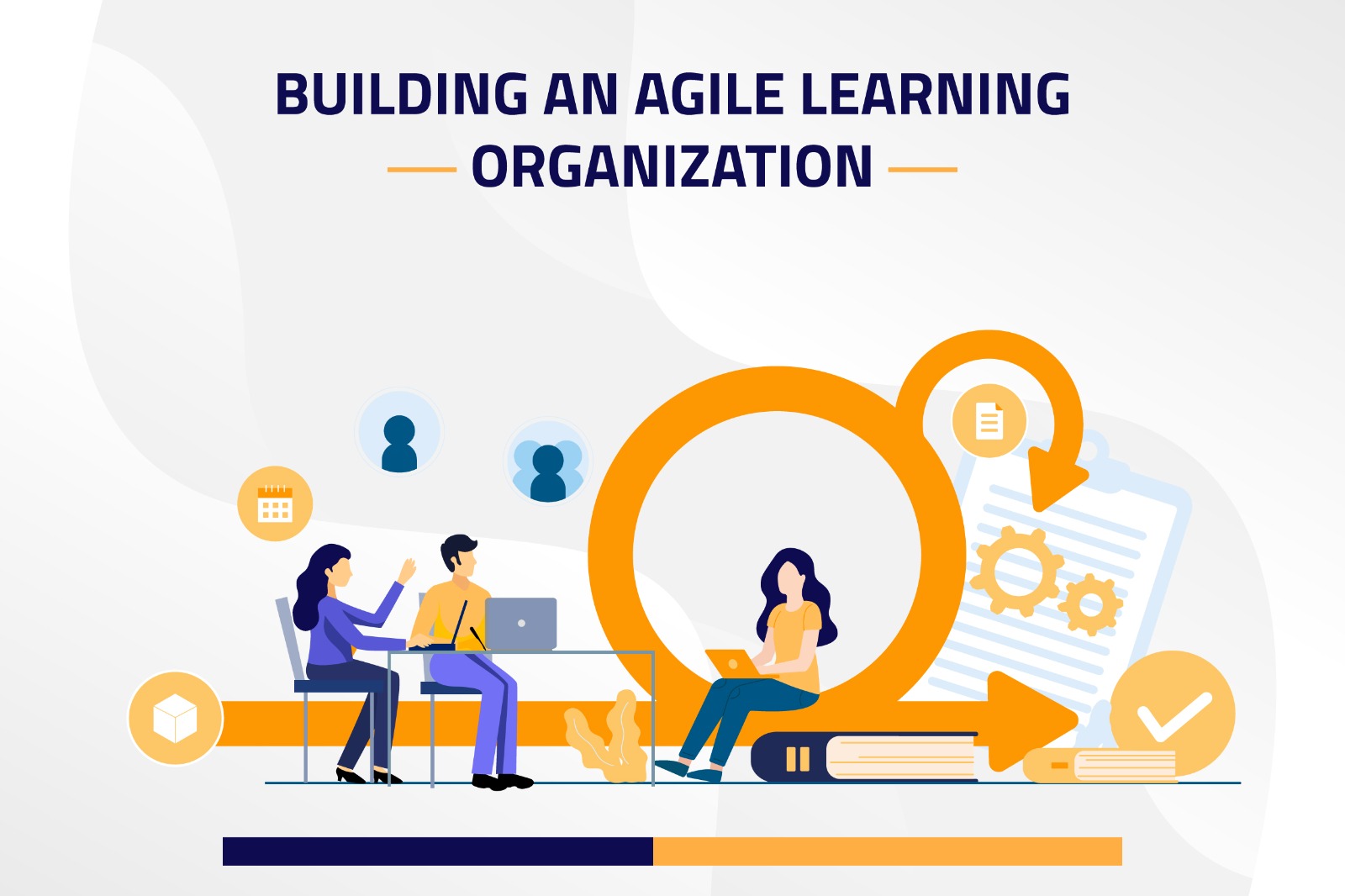
Building an Agile Learning Organization
In a world where industries evolve rapidly and skills become outdated faster than ever, organizations can no longer rely on traditional training models. Static learning programs that run once or twice a year are not enough to keep employees prepared for continuous change. This is where the concept of an agile learning organization becomes essential.
Companies today must build systems that allow employees to learn quickly, adapt to new technologies, and respond to shifting market demands. An agile learning approach ensures that knowledge flows continuously across teams, helping businesses remain competitive while empowering employees to grow.
Understanding what is an agile learning organization is the first step toward building one.
What Is an Agile Learning Organization?
An agile learning organization is a company that integrates learning directly into everyday work rather than treating it as a separate activity. Learning is continuous, flexible, and responsive to real business needs.
Instead of relying on long training cycles or rigid learning paths, agile organizations encourage employees to acquire skills as challenges arise. This model supports adaptive workforce learning, where employees constantly update their capabilities in response to new tools, processes, and industry changes.
In such organizations, learning becomes a dynamic system powered by collaboration, feedback, and experimentation.
Why Organizations Need Agile Learning
Business environments are becoming increasingly unpredictable. New technologies, automation, and artificial intelligence are reshaping industries at an unprecedented pace. Skills that were valuable a few years ago may quickly become obsolete.
Traditional training programs often struggle to keep up with this speed of change. By the time a course is designed, approved, and delivered, the skill gap may already have shifted.
An agile L&D strategy helps organizations respond faster. Instead of waiting for formal programs, learning opportunities emerge through short modules, on-demand resources, peer collaboration, and real-time problem-solving.
This approach enables employees to learn exactly when they need new knowledge, making training more relevant and effective.
Core Principles of Agile Learning
Building an agile learning organization requires a shift in mindset as well as structure. Several core principles guide this transformation.
Continuous Learning Culture
Agile organizations promote a culture where learning is constant rather than occasional. Employees are encouraged to explore new ideas, experiment with tools, and share knowledge with colleagues.
Learning becomes part of everyday work instead of an isolated event.
Leaders play a crucial role in reinforcing this culture by supporting curiosity, allowing time for learning, and recognizing employees who actively develop new skills.
Learning in Small, Flexible Formats
Traditional training programs often involve long courses that require significant time commitments. Agile learning focuses on shorter, flexible formats such as microlearning, quick tutorials, and short workshops.
These bite-sized learning experiences allow employees to quickly acquire specific skills without disrupting their workflow.
Short learning modules also make it easier to update content as new information becomes available.
Real-Time Skill Development
One of the most important aspects of adaptive workforce learning is the ability to develop skills in real time.
Agile learning organizations identify emerging skill gaps early and create learning resources quickly. Instead of waiting months to design a full program, learning teams release smaller learning solutions that evolve over time.
This rapid approach ensures that employees always have access to relevant knowledge.
Collaboration and Knowledge Sharing
Agile learning thrives on collaboration. Employees are not just learners; they are also contributors to the learning ecosystem.
Organizations encourage peer learning through discussion forums, internal communities, mentoring programs, and knowledge-sharing sessions.
When employees share their expertise, learning spreads faster across the organization and becomes more practical.
The Role of Leadership in Agile Learning
Leadership is essential in building a successful agile learning organization. Executives and managers must view learning as a strategic priority rather than a support function.
Leaders should actively promote skill development by allocating resources, encouraging experimentation, and supporting learning initiatives across departments.
When leadership demonstrates a commitment to learning, employees are more likely to adopt the same mindset.
Technology as an Enabler
While agile learning is primarily about culture and strategy, technology plays an important role in enabling it.
Modern learning platforms allow organizations to deliver on-demand content, track skill development, and personalize learning paths. Artificial intelligence can recommend relevant courses based on an employee’s role, goals, or previous learning behavior.
Digital platforms also make it easier for employees to access learning resources anytime and anywhere.
However, technology alone cannot create an agile learning culture. It must be combined with strong leadership support and clear learning objectives.
Measuring Learning Impact
An effective agile L&D strategy includes continuous measurement and improvement.
Instead of relying solely on traditional training metrics such as course completion rates, organizations evaluate learning outcomes based on business impact. This may include improved productivity, faster project delivery, or enhanced customer experiences.
Regular feedback from employees also helps learning teams refine programs and make adjustments quickly.
Moving Toward an Adaptive Future
Organizations that want to stay competitive must rethink how they approach learning. The rapid pace of technological change demands a workforce that can adapt quickly and continuously develop new skills.
By building an agile learning organization, companies create an environment where learning is embedded into daily work, knowledge flows freely, and employees feel empowered to grow.
Understanding how companies create agile learning ultimately comes down to culture, leadership, and flexibility. When learning becomes dynamic and responsive, organizations can develop a truly adaptive workforce learning model that prepares them for the challenges of the future.
