Learning in the Flow of Work: Making Learning a Natural Part of the Job
For decades, workplace learning has been associated with training rooms, scheduled workshops, and long e-learning modules. While these traditional methods still have value, they often struggle to keep up with the pace of modern work. Employees face new tools, processes, and challenges every day, and waiting for the next formal training session is rarely practical.
This is where learning in the flow of work becomes essential. Instead of separating learning from daily tasks, organizations are increasingly integrating knowledge directly into the work environment. This approach allows employees to learn exactly when they need it—while performing their jobs.
As businesses evolve rapidly, embedded learning and workplace learning integration are becoming key strategies for building agile, capable teams.
What Is Learning in the Flow of Work?
Many organizations ask the question: what is learning in the flow of work?
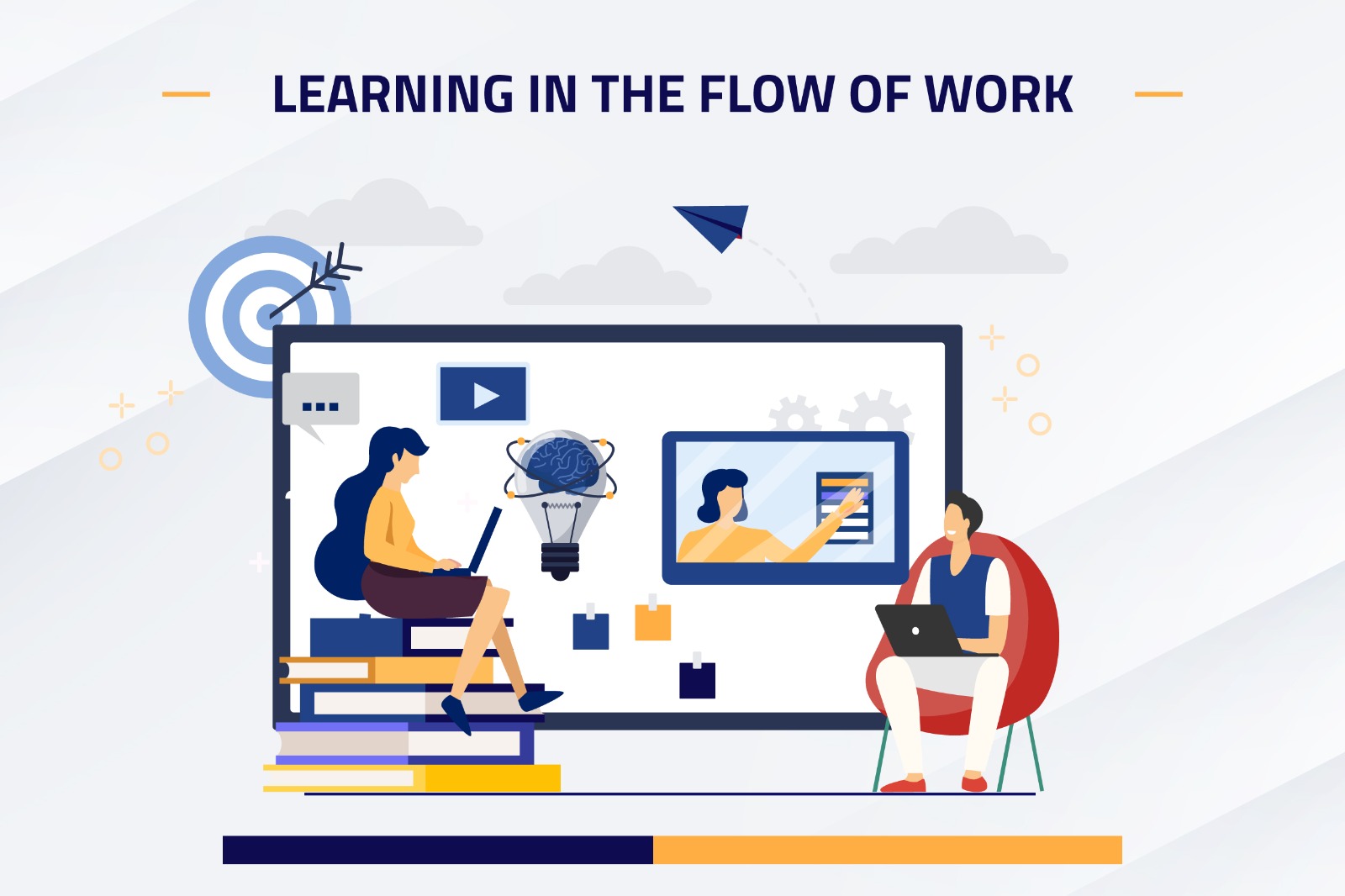
Simply put, it refers to learning that happens naturally while employees are completing their everyday tasks. Rather than stopping work to attend training sessions, employees access relevant guidance, resources, or micro-learning moments within the tools and platforms they already use.
For example, an employee working on a new software system might receive quick tips, short tutorials, or contextual prompts that help them complete tasks more efficiently. The learning experience becomes part of the workflow rather than an interruption to it.
This model recognizes an important reality of modern work: people often learn best when knowledge is immediately applicable.
Why Traditional Training Often Falls Short
Traditional training programs are typically structured around scheduled sessions or long courses. While these formats can be effective for foundational knowledge, they often struggle to address real-time workplace challenges.
Employees frequently forget much of what they learn during formal training sessions because they cannot immediately apply it. By the time the knowledge becomes relevant, much of it has faded.
Another challenge is time. Employees today juggle demanding workloads, tight deadlines, and constant communication. Finding hours for training sessions can be difficult.
This is why organizations are increasingly exploring learning in the flow of work as a more practical and sustainable approach to employee development.
How Employees Learn While Working
Understanding how employees learn while working is key to implementing effective learning strategies.
In practice, learning in the flow of work can take several forms:
1. Contextual microlearning
Short, focused learning resources can appear exactly when employees need them. For example, quick videos, step-by-step guides, or knowledge snippets can help workers solve problems immediately.
2. AI-powered recommendations
Modern learning platforms can suggest relevant learning materials based on an employee’s current task, role, or skill gaps. This personalized support allows employees to develop capabilities without actively searching for resources.
3. Digital adoption tools
Interactive guidance embedded within software systems can help employees navigate unfamiliar tools. Instead of reading long manuals, workers receive real-time instructions directly within the interface.
4. Peer collaboration
Employees often learn informally by asking colleagues for help or sharing insights within team channels. Collaboration platforms enable quick knowledge exchange, making learning a continuous team activity.
Through these approaches, learning becomes an organic part of daily work rather than a separate event.
Benefits of Embedded Learning
Organizations that adopt embedded learning often see significant improvements in both productivity and skill development.
Faster problem solving
When employees have access to relevant knowledge at the exact moment they need it, they can resolve issues more quickly and confidently.
Higher knowledge retention
Learning applied immediately tends to be remembered more effectively than knowledge delivered in isolated training sessions.
Improved employee engagement
Employees appreciate learning opportunities that respect their time and support their real-world challenges. Learning in the flow of work feels practical rather than mandatory.
Continuous skill development
Because learning happens regularly throughout the workday, employees develop skills gradually and consistently instead of relying on occasional training events.
The Role of Technology in Workplace Learning Integration
Successful workplace learning integration often depends on the right technology infrastructure.
Learning experience platforms, digital adoption tools, and AI-driven knowledge systems can deliver learning resources within the applications employees already use. For example, knowledge prompts might appear in project management tools, customer service platforms, or collaboration software.
These integrations ensure that learning content is not hidden in separate systems that employees rarely visit.
However, technology alone is not enough. Organizations must also design learning experiences that are concise, relevant, and aligned with real work scenarios.
Building a Culture of Continuous Learning
Adopting learning in the flow of work also requires a shift in organizational mindset.
Leaders must recognize that learning is not limited to formal courses. Everyday work tasks can become powerful learning opportunities when employees have access to the right support and resources.
Managers can encourage this approach by promoting knowledge sharing, supporting experimentation, and recognizing employees who actively develop new skills.
When learning becomes part of the work culture, employees are more likely to seek knowledge proactively rather than waiting for scheduled training sessions.
The Future of Workplace Learning
As workplaces continue to evolve, traditional training alone will not be enough to keep employees prepared for new challenges. Organizations need learning systems that move as quickly as the business itself.
Learning in the flow of work offers a practical solution by bringing knowledge directly into everyday tasks. Through embedded learning and thoughtful workplace learning integration, organizations can help employees build skills continuously without disrupting productivity.
Ultimately, the goal is simple: create an environment where learning happens naturally, knowledge is easily accessible, and employees can grow while doing the work that matters most.
